Beyond Michelin: The Other Side of Haute Cuisine
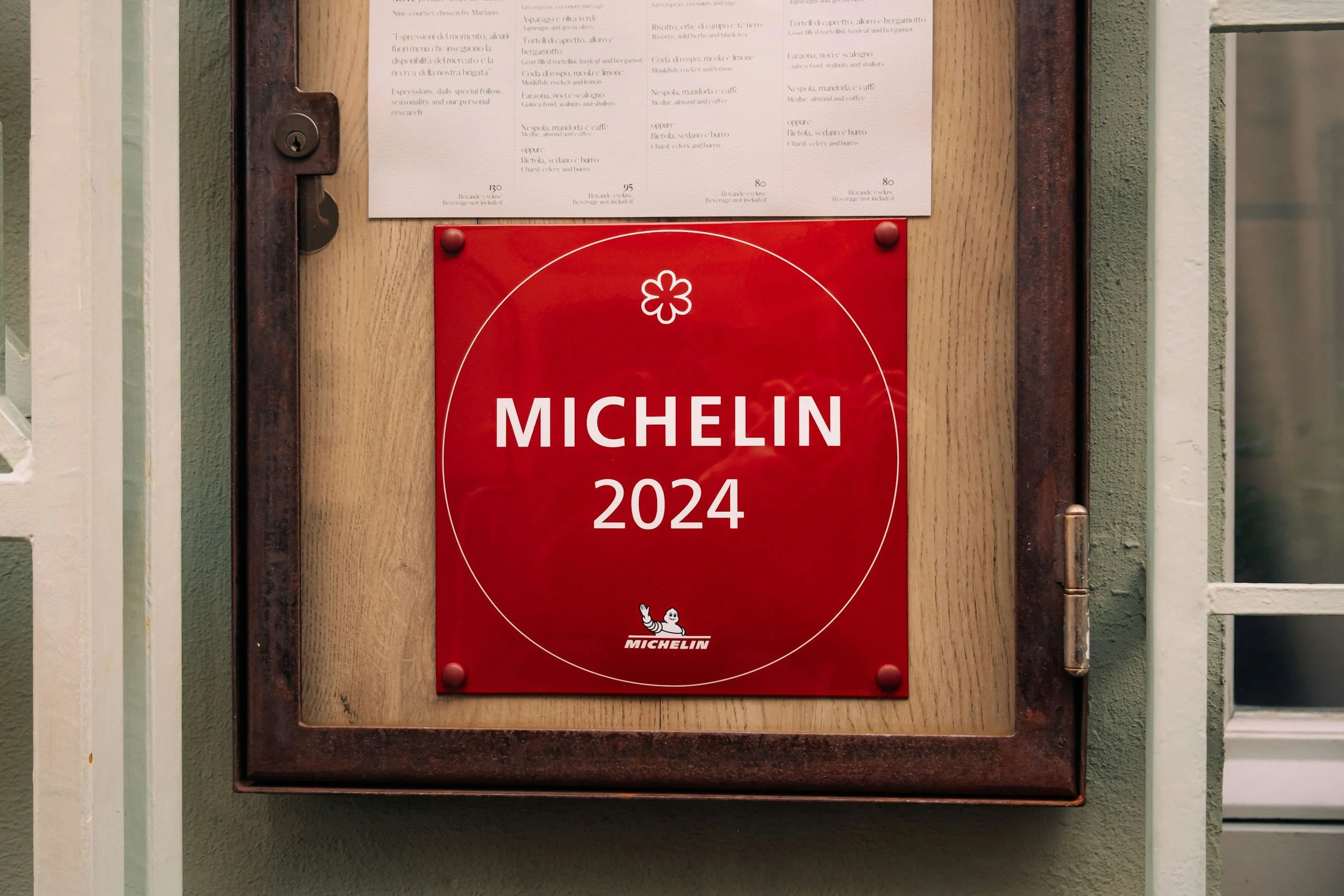
Image licensed via Squarespace Stock Images
Perfection is a prison. I choose freedom.
“Why don't you go for Michelin? Why don't you want to reach the top, where the stars are awarded?”
A minha resposta é simples: porque não quero. Os pés bem assentes na terra trouxeram-me grandes projetos e desafios espetaculares. Mas… também fiz estágios em restaurantes Michelin. Sei como é esse mundo por dentro. Vivi a disciplina levada ao extremo, a precisão obsessiva, a pressão contínua. Vi como funciona uma cozinha onde não existe “quase bom”, mas apenas perfeição (tanto quanto um ser humano a pode compreender). E sim, a experiência molda-te. Fica-te no sangue o respeito pelo detalhe, pelo ritmo, pelos ingredientes, pelas técnicas. Mostra-te até onde podes ir, dá-te força e resistência. Mas também vi o preço: vida pessoal zero, relações sacrificadas, corpo levado ao limite, mente esticada ao máximo. Numa cozinha Michelin não existes “tu”. Existe apenas o restaurante, o padrão, a perfeição.
Alguns dirão: “mas mesmo nos restaurantes normais não tens vida – trabalhas imenso, ganhas pouco, sacrificas tudo.”
Verdade. A cozinha, seja como for, exige um preço alto. A diferença é que lá, no Michelin, tudo é levado ao extremo. Num restaurante comum ainda existe pelo menos a possibilidade de um equilíbrio, um momento de respiro, uma gota de liberdade.
And here, I believe, lies the challenge for our generation: to demonstrate that "normal" HORECA does not need to remain trapped in the prejudice of "modern slavery." We can build restaurants where people don't just come to work, but to grow. Where service is a school of life, not a marathon of exhaustion. Where teams find meaning and joy in their work, not just a paycheck at the end of the month that is often barely enough to survive on.
How? With concrete steps: more intelligently designed programs, rotations that leave room for personal life, menus adapted to real resources, culinary schools that also teach balance, not just discipline. And above all, employers who understand a simple truth: people give more when they are happy and free. A respected team brings value. An exhausted team just endures.
The shift in public perception
One of the biggest challenges lies not only in the kitchen, but also outside it: the way people view the HORECA sector. All too often, chefs and waiters are referred to as "modern slaves," condemned to a lack of personal life, endless hours, and low wages. This image has taken root, and many shy away from this fascinating profession because of prejudice.
But hospitality doesn't have to be like this. Real solutions can be found to enable teams to work smarter, not just harder. Rotations, shorter shifts, menus designed with respect for resources and people. In addition, customers have a huge role to play: understanding that behind their plate there is a whole chain of work, effort, and passion. Respect for hospitality begins with educating the public, with recognizing the value of this profession. If we change the mindset, we can also change reality. If restaurants choose to invest in the well-being of their teams, and customers accept that a fair price reflects the work involved, then this profession regains its dignity. Cooks and waiters can be seen not as cheap and disposable labor, but as artists, professionals, and creators of experiences. On the day that hospitality is perceived as a respected, modern profession with a future, and not just as hard, lifeless work, we will be able to attract talent, passion, and new energy once again. The kitchen demands a lot, but it can also give a lot—when it is built on respect and vision.
Volto à minha estrela… Não quero caçar estrelas Michelin. Não quero subir a um pódio que não me pertence. A minha cozinha não é sobre perfeição, é sobre verdade. Sobre vida. Sobre mim. A minha estrela está noutro lugar: no sorriso de um cliente, no silêncio depois de um serviço caótico, no café da tarde com a minha equipe, na mensagem que me espera, para ser lida ou ouvida, cheia de motivação e amor da pessoa certa — aquela que tantas vezes eu própria negligencio — e no prato que conta uma história e deixa uma memória.