Kitchen of the future
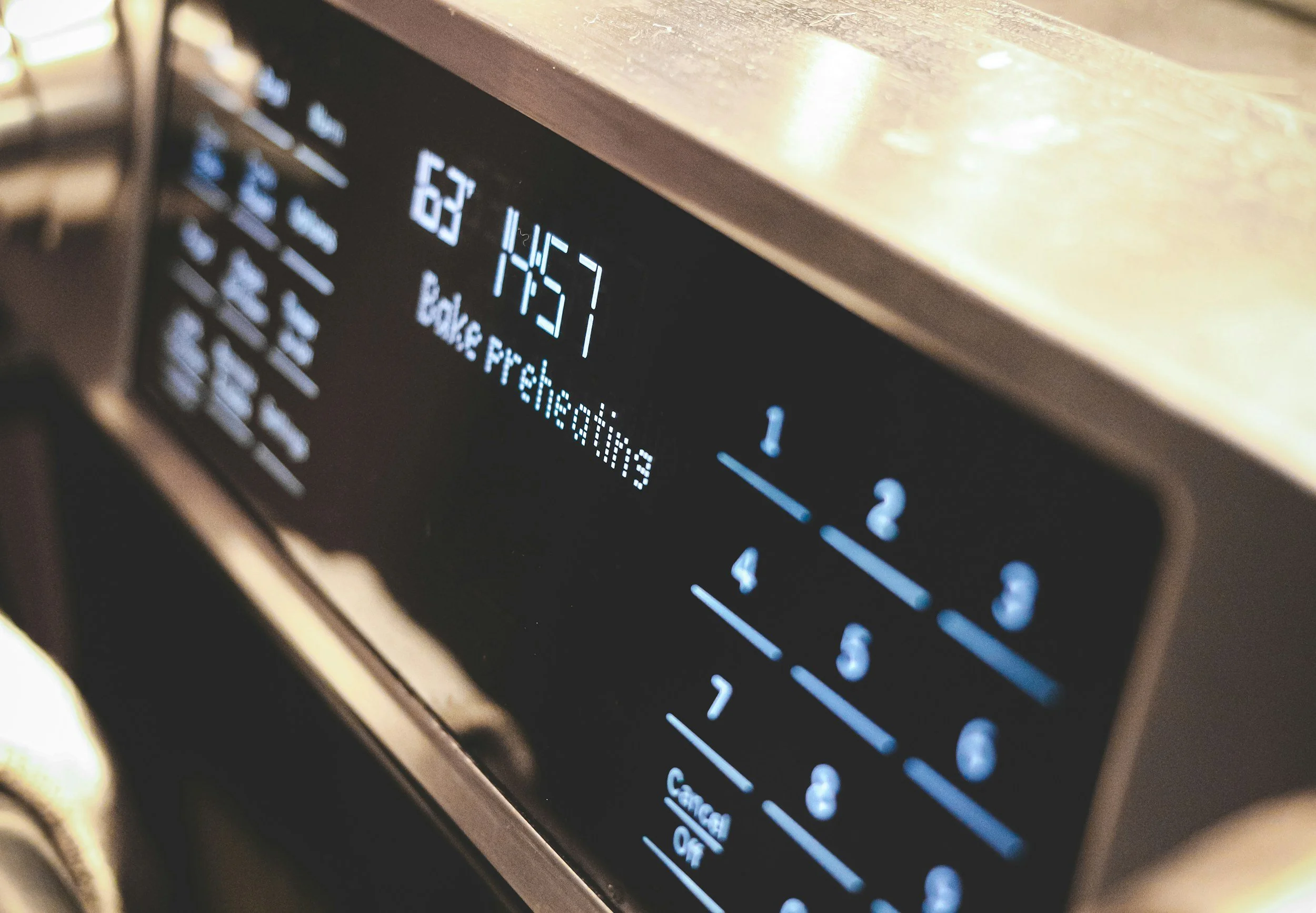
Image licensed via Squarespace Stock Images
The kitchens of the future will be smaller but smarter
When you say "restaurant kitchen," people imagine scenes from movies: huge spaces, endless rows of stainless steel, dozens of people running between frying pans, flames, and shouting. But the truth is that the future will not be like that. The kitchens of the future will be smaller. More compact. Smarter. And, paradoxically, more powerful than ever.
A tendência global é clara: os restaurantes já não conseguem sustentar os custos e o desperdício das cozinhas gigantes.
• As rendas aumentam.
• As matérias-primas tornam-se mais caras.
• As pessoas exigem eficiência e autenticidade.
The result? A small kitchen becomes the new creative engine. In a small space, every square meter counts. Every movement is optimized. Everything is calculated, thought out, organized. No extra frying pans, no forgotten pots, no ingredients bought "just in case."
Technology as an ally, not a substitute
Many fear that technology will replace the cook. False. The technology of the future is here to support, not replace.
• Smart ovens: automatically recognize the type of dish and adjust the temperature.
• Refrigerators with sensors: indicate exactly which ingredients are expiring, how many servings remain, and reduce waste.
• Induction hobs with fine control: ensure the same consistency every time.
But no algorithm will ever be able to understand why a sauce needs to "breathe" for another five minutes or why a soup should be less salty on a rainy night. The chef's brain and palate remain the heart of the kitchen.
Zero waste, zero useless luxury
Huge kitchens were often factories of waste:
• ingredients bought in excess,
• portions discarded,
• energy consumed unnecessarily.
In the future, luxury will be the opposite:
• fewer ingredients, but impeccable in origin,
• fewer resources consumed, but used in their entirety,
• fewer unnecessary steps, but each one meaningful.
A restaurant will no longer be judged by the size of its kitchen, but by how much it can avoid waste.
The concentrated power of a small space
A small kitchen doesn't limit creativity. It focuses it.
When you have little space, you become inventive.
When you have little time, you become efficient.
When you have few ingredients, you learn to make them sing together.
Já vi cozinhas de cinco metros quadrados a servir pratos com estrela Michelin. E já vi cozinhas de cinquenta metros quadrados a produzir apenas caos. Não é o tamanho que conta, mas a inteligência com que usas o teu espaço.
Cozinhas pequenas exigem grandes cozinheiros. Num espaço pequeno, não há onde se esconder.
• Cada erro salta à vista.
• Cada movimento errado atrapalha todos.
• Cada cozinheiro precisa ser multitarefa, rápido e disciplinado.
Isso significa que as cozinhas do futuro não vão precisar apenas de equipas menores, mas de equipas melhores. Cozinheiros que não sejam apenas executores, mas criadores, pensadores e estrategas. Menor, mais inteligente, mais humano. As cozinhas do futuro não serão templos de inox e ruído. Serão laboratórios compactos de criatividade, respeito e saúde. Serão menores, mas mais eficientes.
Mais simples, mas mais profundas. Mais inteligentes, mas também mais humanas. Porque o verdadeiro poder não está no tamanho das paredes, mas na grandeza das ideias.
Cada prato deixará de ser apenas sabor. Será cultura, identidade, memória. Mas também será equilíbrio, prevenção e bem-estar. Numa época em que as pessoas correm atrás do tempo, a cozinha do futuro lembrará o essencial: alimentar é cuidar. Cuidar do corpo, da mente e até das relações. Um prato saudável pode curar cansaços invisíveis, aproximar famílias, dar energia a quem cria e devolver esperança a quem perdeu o apetite da vida. O luxo do amanhã não será ter dez pratos diferentes, mas ter o prato certo: nutritivo, consciente e cheio de verdade.